
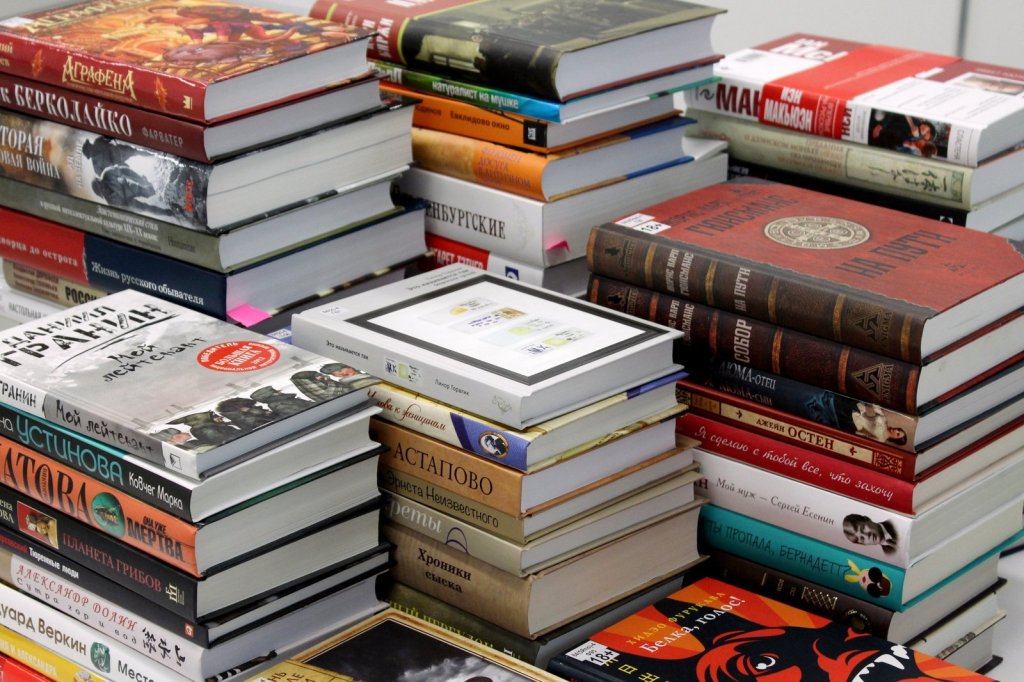
“Reading Is Exercise For The Brain.“
Reading good books is an opportunity to create balance in our lives and 2023 was an ideal year for doing that. In the middle of so many bad things happening today, reading a good book brings some hope and a sense of gratitude despite the challenges surrounding us.
This year I have read many books but, as I usually do at the end of the year, I give my five top recommendations hoping you can enjoy the reading as well.
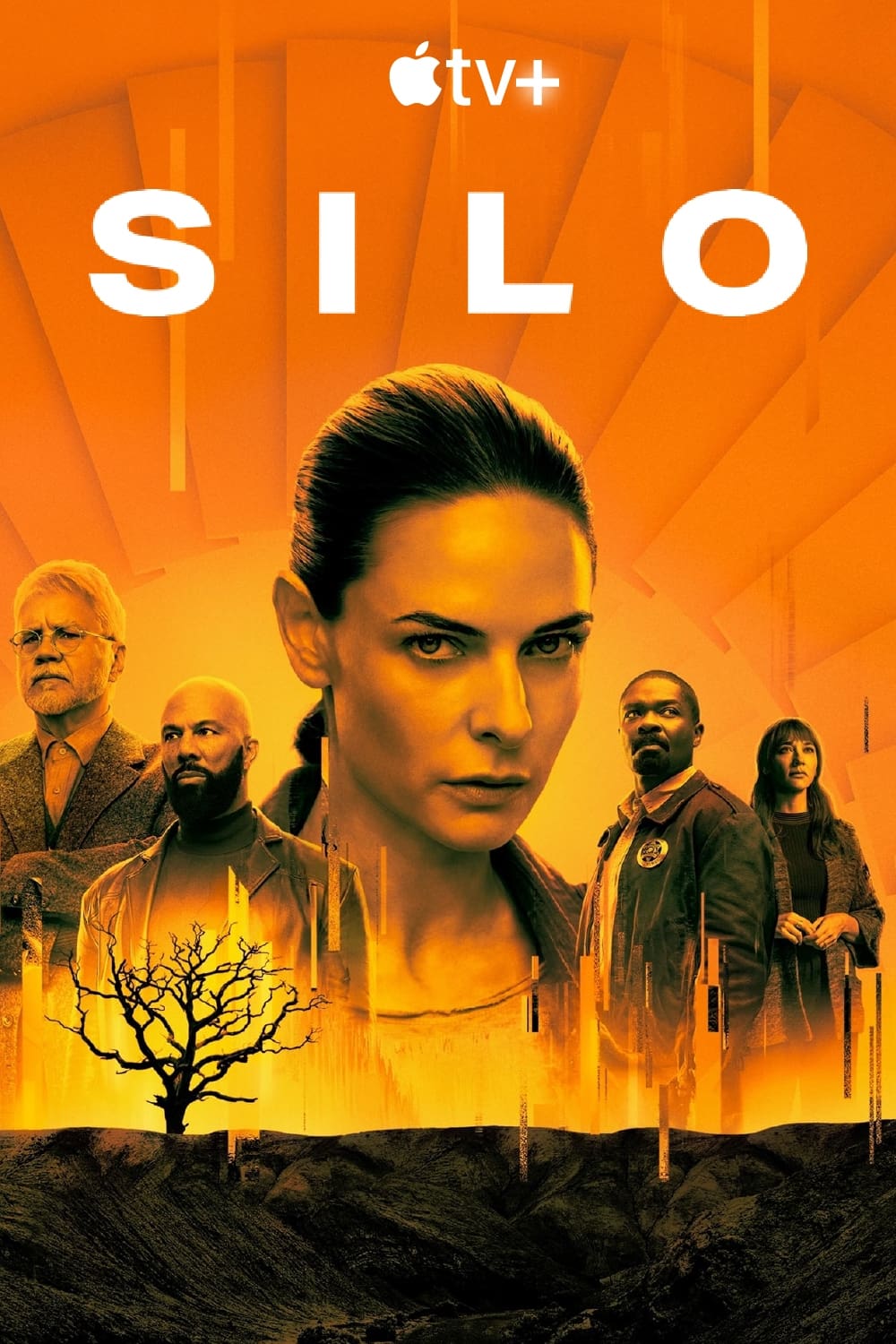
- The Silo Trilogy (Science Fiction) – Hugh Howey
If you are a science fiction fan, you have to read the Silo series by author Hugh Howey. It tells a story of a dystopian future where people live in the Silo, a self-sustaining subterranean city with 144 floors. No records of the time before the Silo remain. All residents of the Silo are taught that the outside world is toxic and deadly, and the Silo’s cardinal rule is that anyone who expresses a desire to go outside must be sent there to clean the external sensors with a wool cloth. Those sent outdoors invariably clean the sensors as instructed, but die within minutes, reaffirming to the Silo residents that the outside is uninhabitable. The books are well-written and dense of interesting themes such as human survival, love, power, world domination, and the dangers of technology used for the wrong reasons. It is worth the read and, as a bonus, you can watch Season 1 of the TV show Silo on Apple TV + – a great show with great actors such as Rebecca Ferguson (Mission Impossible), Tim Robbins (The Shawshank Redemption), and Common (John Wick 2).
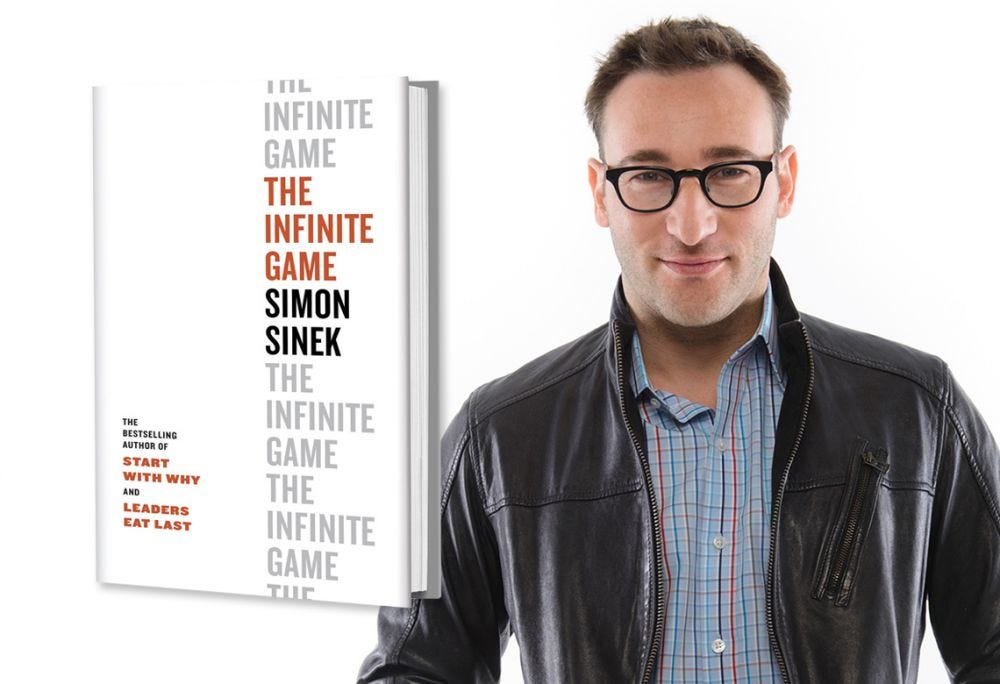
- The Infinite Game – Simon Sinek
Author and businessman Simon Sinek is one of the most followed Ted Talk speakers of our time. His no-nonsense approach to business and life is a trademark of his work. In his book “The Infinite Game,” Sinek makes a point in favour of the fact that profit and revenue are not the only signs of business strength. In fact, it can be truly detrimental to look at revenue and profits as being the sole decider of success. After all, today’s high profits will mean nothing if you’re not strong enough to weather tomorrow’s challenges. This is why business leaders need to think in terms of an Infinite Game. They should build something that’s not designed to “win” but rather to last for generations to come.
One of my favourite points of the book is about employee and customer trust. When money becomes the main focus of a business, it not only leads to an uninspiring vision, it leads to distrust and even unethical business practices, both of which can greatly reduce business longevity. In companies where employees feel a lack of trust, accidents, and poor performance are bound to arise. This is due to the simple reason that no one will feel comfortable enough to speak up when mistakes happen or when someone is unsure about what to do. This is something we need more and more in all of today’s organizations and, quite frankly, in our society at large.
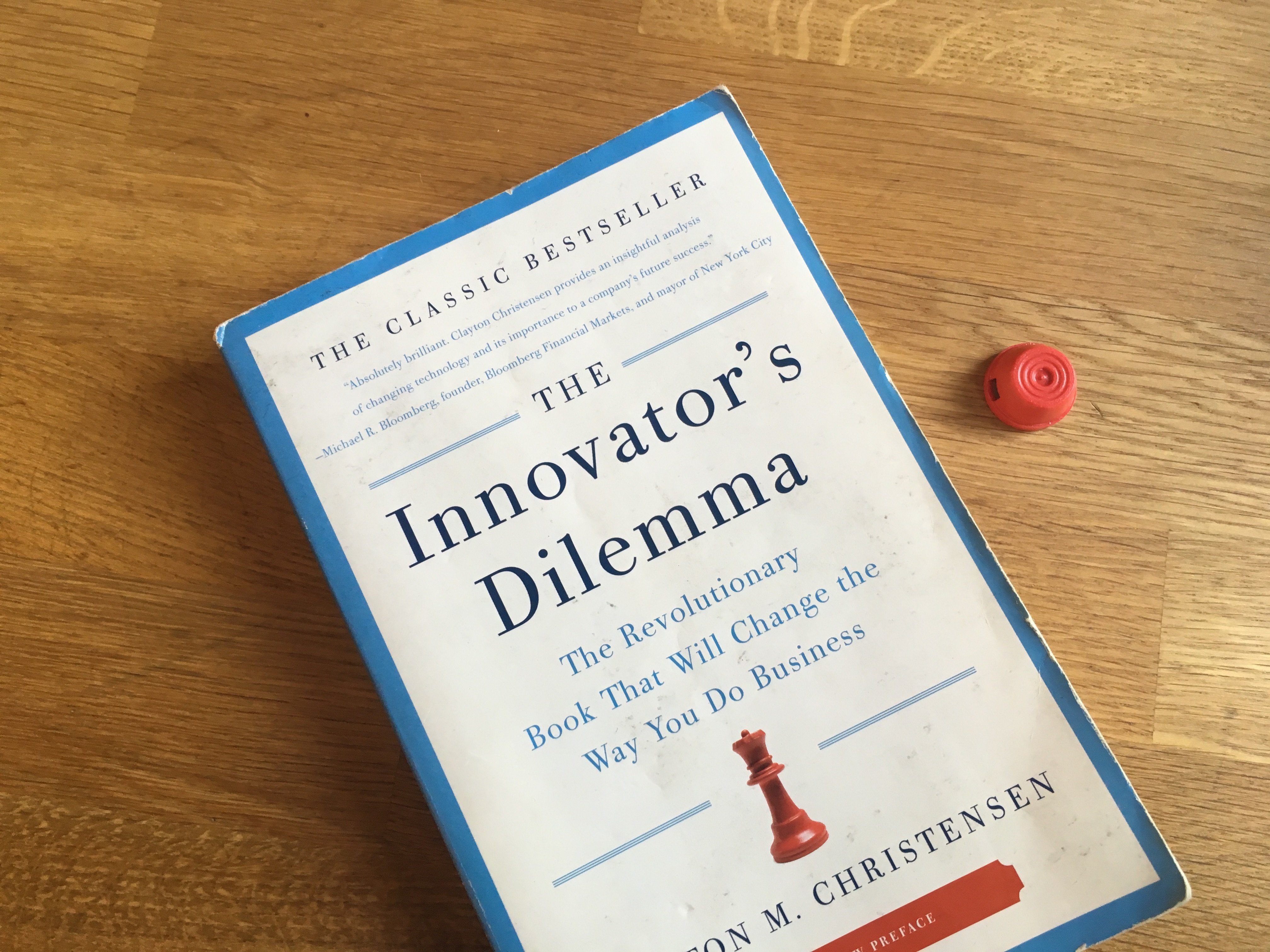
- The Innovator’s Dilemma – Clayton Christensen
Business cycles move fast. So fast, in fact, that theories about what’s going on rarely outlast them. Such theories “live and die like fruit flies” (The Economist). Every so often, though, an idea with lasting power comes along. An idea that won’t die. The concept of “disruptive innovation” is one of them. Revolutions can be violent: if you want to create something utterly new, you have to break something. In economics, this is not an entirely new concept. A long time ago, in the 1940s, Austrian-born author Joseph Schumpeter came up with the term “creative destruction.” According to him, destruction can be a good thing, because it helps to advance and restructure the economy.
Half a century later, it was Clayton Christensen who offered a significant update to this idea. It’s hard to overstate the splash his book The Innovator’s Dilemma made when it was published in 1997. Steve Jobs said it had deeply influenced his thinking. Michael Bloomberg sent fifty copies to his friends. Andy Gove, the CEO of Intel, said it was the most important book of the decade. It sold over half a million copies within a year.
Why was the book so successful? Because it predicted how a significant part of the economy would function in the new millennium–long before apps and e-commerce were omnipresent. And Christensen was right. Today, it feels obvious that innovation has a destructive side: Uber disrupted the conventional taxi system; Amazon disrupted the business of brick-and-mortar stores; and so many other companies are trying to do the same to their industries.
The late Clay Christensen is one of my favourite authors and academics of all time, described by Forbes as one of the 50 most influential people of the 21st Century. Reading this book will forever change the way you see business.
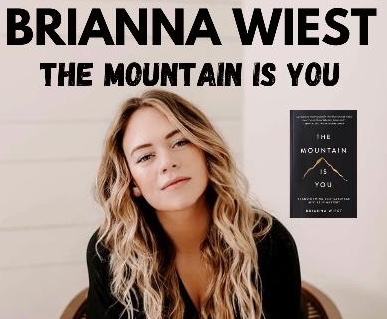
- The Mountain Is You – Brianna Wiest
Brianna Wiest is a young and brilliant author who, after working as a journalist as a post-graduate, writing for publications such as Forbes and Teen Vogue, began sharing her creative writing and personal reflections gained from years of self-inquiry and meditation practice. Over time, her work was shared around the world and has since touched millions with messages of empowerment, self-reflection, and hope.
In her book “The Mountain Is You,” Brianna tells us that our fears and bad habits can prevent us from living our best life, but they can also show us how to get there. The path will be tough – like climbing a mountain. We’ll have to sit with our discomfort and be honest about our actions. Change is never easy but we can transform our negative patterns and reinvent ourselves as the person we were meant to be.
In other words, we’re our own worst enemy and our greatest teacher. We sabotage ourselves with behaviours meant to satisfy our unmet needs, but those behaviors also hold the key to reaching our fullest potential, if we can learn from their messages. They’re deceptive and can take many shapes, so we need to look carefully. These self-sabotaging behaviors that block our way are our own personal mountain. Climbing that mountain and changing our pattern of behaviour takes hard, honest work. The going will be slow and the footing can get treacherous. It won’t be comfortable, but it will help us change our lives.
Great read with a lot of tips on how to climb our own mountain!
- Make Time – Jake Knapp and John Zeratsky
I had to finish with a book on productivity. “Make Time” by former Google executives Jake Knapp and John Zeratsky explores the concept that in modern life, it often feels like there are never enough hours in the day to do the things we really want to do. If we’re honest with ourselves, though, we’ll see that the culprit isn’t just the modern world; it’s also ourselves. We often make ourselves busier than we have to be. Then, when we’re done being busy, we spend the rest of our time glued to social media, television, and email.
To regain our time and pursue the activities and projects we’ve been putting on the back burner, the solution, it would seem, is simple: stop being busier than we have to be, and avoid the distractions that are whittling our days away. Of course, these things are much easier said than done. If we want a real fighting chance of doing them, we’re going to need to understand the underlying causes of busyness and distraction. Then, we must implement a strategy to overcome them. To bring that strategy to life, we’ll need some practical tactics.
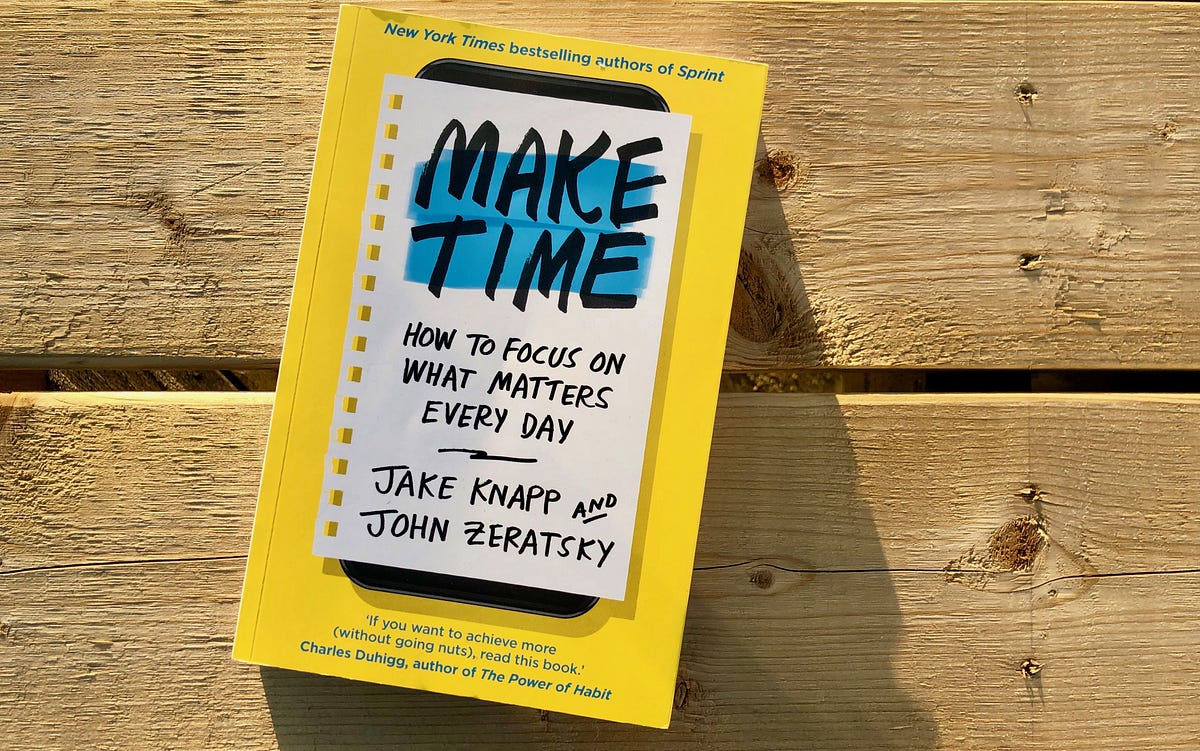
This book looks at why we’re so busy and distracted, why productivity and willpower alone aren’t enough to solve the problem, and how to develop a four-step strategy to regain our time. To implement that strategy, the book looks at a sampling of 20 of the authors’ 87 time-making tactics, which can be used to create a personalized approach to taking back our lives.
Have a great read!!
adf
 ASD Innovation
Leave a comment