

You heard me say this many times before, but in our fast-paced and often demanding world, it’s easy to overlook the importance of gratitude. However, cultivating an attitude of gratitude can have a profound impact on our overall well-being and outlook on life. In this blog, I wish to share and explore what, in my opinion, are the three most important benefits of being grateful.
1. Being Grateful Enhances Mental and Emotional Well-being:
Gratitude has been linked to improved mental and emotional well-being, leading to greater happiness and life satisfaction. When we consciously acknowledge and appreciate the positive aspects of our lives, we shift our focus away from negativity and cultivate a more positive mindset. This shift can have far-reaching effects on our overall mental health.
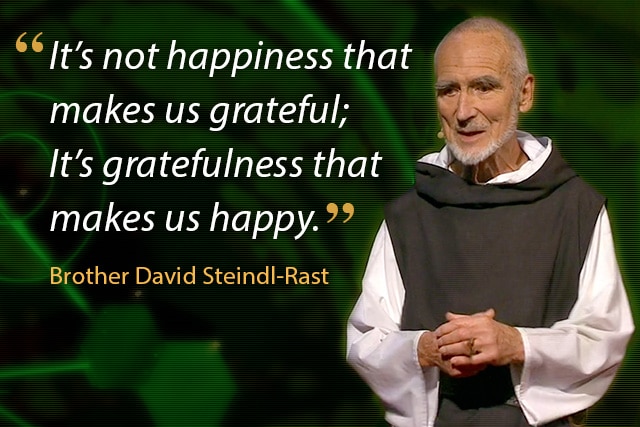
Benedictine David Steindl-Rast writes about the practice of gratitude as a way of healing oneself and society. He takes an active role in “Gratefulness: Network for Grateful Living,” an interactive, online forum in which thousands from many countries participate. He sees gratitude as a remedy for the exploitation, oppression, and violence that plague our society. Thankfulness, he says, is also at the heart of prayer and thoughtful meditation.
Years ago, I found myself caught in a cycle of stress and anxiety due to work pressure. One evening, I stumbled upon a talk that recommended writing a daily gratitude journal and decided to give it a try. Every day, I wrote down things I was grateful for. Initially, it was a challenge for me to find positive aspects amidst the chaos. However, as I persisted, I started noticing the small joys that had gone unnoticed before. Over time, my outlook transformed, and I experienced a significant reduction in stress levels. My newfound appreciation for life’s blessings allowed me to navigate challenges with resilience and a renewed sense of optimism.
2. Gratitude Strengthens Relationships and Social Connections:
Expressing gratitude can strengthen our relationships and foster deeper connections with others. When we take the time to appreciate and acknowledge the kindness and support we receive from loved ones and strangers alike, it deepens the bonds we share. Gratitude acts as a catalyst, creating a positive ripple effect in our social interactions.
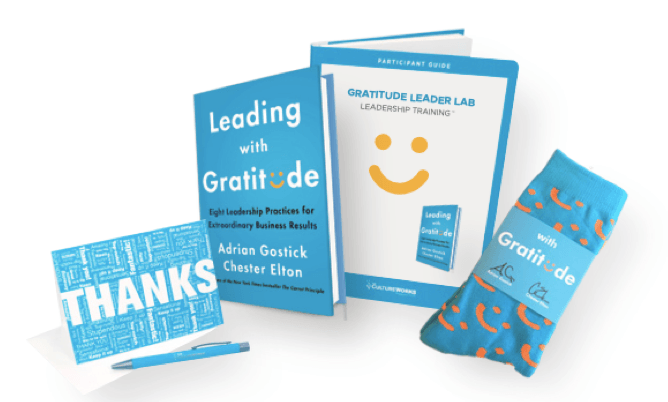
This can be very powerful in the workplace as well. In their book “Leading with Gratitude,” authors Adrian Gostick and Chester Elton state that when leaders show their authentic gratitude to their employees for their endeavors it helps keep them motivated, committed, and feeling positive about their jobs and their contributions to the company. It also increases the feeling of collaboration and of being part of a “team.”
Be present to catch positive outcomes as they happen so you can respond with sincere appreciation. You’ll develop closer relationships with the people you interact with and will help you understand and even appreciate how they react to challenges and solve problems. In the workplace, employees led by grateful managers score higher on productivity, engagement, personal well-being, and ability to deliver customer satisfaction. They’re more likely to stay with an organization and their health improves. They, too, practice gratitude and spread positive feelings among their teammates.
3. Being Thankful Promotes Physical Health and Resilience:
I already mentioned this, but it needs to be stated again: gratitude has been associated with improved physical health and increased resilience in the face of adversity. Studies have shown that individuals who practice gratitude experience lower levels of stress, better sleep patterns, and stronger immune systems. Being grateful not only enhances our psychological well-being but also positively impacts our overall physical health.
Some time ago I read a story about Sarah, a cancer survivor, who underwent an emotionally and physically draining treatment journey. Throughout her battle, she maintained a gratitude practice, focusing on the love and support she received from family, friends, and her medical team. Even on the most challenging days, Sarah found solace in appreciating the small moments of joy and the resilience of her body. This attitude of gratitude played a pivotal role in her healing process. It not only provided her with a renewed sense of hope but also boosted her immune system and helped her endure the treatment’s side effects. Sarah’s unwavering gratitude served as a guiding light, empowering her to emerge from the darkness and embrace life with renewed vigor.
A personal Experience:
Being grateful has given me the strength to overcome many difficult challenges in my life throughout the years. Probably the most difficult challenge happened just a year after my wife and I had moved to Canada. I planned a trip to my hometown of Taranto in Italy to spend a couple of weeks with my beloved parents. As I arrived at the airport in Rome, I was welcomed by my brother with whom I was hoping to spend a few days before proceeding on my journey home. However, my brother told me I needed to leave immediately as my mom had been rushed to the hospital the night before and she was seriously ill. With the promise that he would join me in a day or so, Massimo, my brother, put me on a bus directed to Taranto and I left with many grievous thoughts weighing on my mind. I cried for most of the 8-hour trip and prayed to God to give me the strength to face this unexpected situation. After all, the purpose of my trip was to spend some joyful days in the company of my parents. I was not prepared to hear that my mother was dying. As soon as I arrived, I went to the hospital. I saw my mom.

She was physically different. Her gaze was somewhat absent, she had lost much weight and her skin was yellow with jaundice. But when she saw me, her eyes lit up and she smiled with that beautiful smile she had always had ever since I remembered her. In that moment, I felt a sense of peace and with that a quiet yet powerful sense of gratitude for the years I had lived with her. She had been a beacon and soothing presence in my life. She was a joyful person, always signing and doing things with a smile on her face. By default, I was chosen by my family to be the one to talk to the doctor to find out what was happening. I did not want to do it. However, I again felt gratitude for the privilege that I had been given to be part of this difficult moment because I knew that I was going to return to Canada and never see my mom alive again. With that sense of peace, I was able to spend the rest of my time visiting her and spending time with her. Most of the time she would just take my hand in hers and just smile at me. Throughout that time, I felt grateful and at peace, and this helped me greatly.
Conclusion:
Gratitude is a powerful tool that can transform our lives in countless ways. By enhancing our mental and emotional well-being, strengthening our relationships, and promoting physical health and resilience, gratitude opens the doors to a more fulfilling and contented existence. Let us cultivate a daily practice of gratitude, allowing it to permeate our lives and shape our perspectives, ultimately paving the way for a brighter, more compassionate world.
adf
 ASD Innovation
Leave a comment