
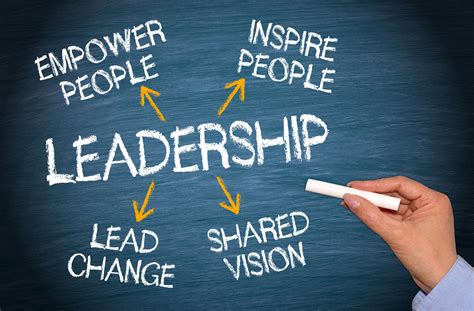
Throughout my life, I have had the privilege to work with good and bad leaders. Some have left a permanent, positive mark on me and a desire to be like them. Others have left much bitterness in their path and, although they may seem or believe to be successful at what they do, they have left a permanent negative trail of disappointment and acrimony. They have lacked what I describe as Ethical Leadership.
If I had to give a definition of Ethical Leadership, I would say that it is the foundation of successful organizations and the key to creating a positive workplace culture. It is the practice of leading by example, being honest, and making decisions that are fair and just. Ethical leaders understand that good leadership must be based on moral and ethical values and that this will ultimately lead to long-term success for both the organization and its employees.
I truly believe in this definition, but in today’s world and society, it is also important to further define the scope and purpose of this invaluable principle. Being an ethical leader means walking the talk. It also means accepting the fact that an ethical leader can make mistakes like everybody else but has the ability to recognize those mistakes and face the consequences. It finally means that such a leader often needs to go through many struggles to make things work and face pressure from an environment that may be prone to cut corners and put individuality over team effort. And today this is very evident in all facets of our society, community, and life, whether professional or personal.
Since I was a young boy in school, I always knew, through the example of good teachers, who were leaders in their own right, that the role of a leader is to create a positive environment where individuals feel valued, respected, and supported. A few of my teachers strived to do that in school and they are permanently embedded in my mind. To achieve such a positive environment, a leader must be guided by a strong moral compass and a commitment to doing what is right. Ethical leaders are transparent in their actions and communication, they take responsibility for their decisions and they are accountable for their actions. They also make sure that their employees have the resources and support they need to succeed and they promote a culture of trust and respect.
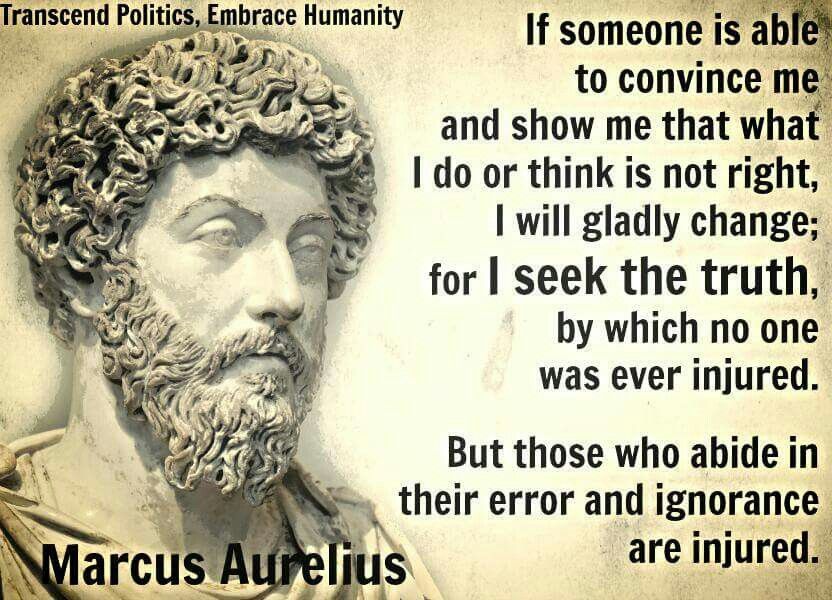
Leaders who prioritize ethics are more likely to build a loyal and engaged workforce. This is because employees are more likely to trust and respect leaders who consistently act with integrity and fairness. Additionally, organizations led by ethical leaders are less likely to face reputational damage, legal issues, and employee unrest, all of which can have a negative impact on the success of the business.
Knowing this well deep within myself, I always tried to have a very open relationship with both my direct reports and my peers, even to a fault. After all, you build trust by start giving it. One day, one of my team members came to my office and told me he was exploring alternative career options. He was one of my best team members and a true value added to the organization and the community. I told him, I was happy to see he was “thinking” and that his personal growth was more valuable to me than his contribution to my team. After all, as a leader, I always thought my responsibility was to build other leaders. A few weeks later, he came into my office and told me that he had an offer from another employer and that he would have to give me notice. I was happy for him. Truly happy. I shared this with a couple of my team members and a couple of them thought this was a good opportunity to rethink our organizational structure (always an opportunity in healthy organizations). However, that very same night after he had told me of his new opportunity, he called me and made known unto me that his potential new employer had changed their offer to one he could not accept. He was scared that now he had no job. I told him not to worry because for me nothing had happened. He was still part of my team. He was happy and so was I. But I was disappointed at the reaction of a couple of colleagues who told me they would not have done what I did, that this team member had shown his loyalty, and that they would have terminated his employment. This clearly showed me the lack of leadership on the part of these team members. An ethical leader is also a compassionate leader who sees beyond the pettiness of traditional business interactions and transactions and focuses on long-lasting business and personal relationships.

In today’s fast-paced and complex business environment, ethical leadership is more important than ever. With the rise of technology and social media, it has become easier for unethical behavior to be exposed, and the consequences of such behavior can be severe. Ethical leaders understand that their actions have a significant impact on their organizations and on society as a whole, and they take this responsibility seriously.
Some time ago I observed the tragic example of self-proclaimed leaders not walking their talk. They had given lip service to change that was extremely important to the business but after a little while decided that their “position” or “title” was more important. When this happens, everybody loses. Acrimony and anger become exacerbated, selfishness prevails, false narratives are spread from all sides in an attempt to “be right,” and lives are upset, sometimes in a permanent way.
Let me repeat this again: ethical leaders create a positive work environment, build a loyal and engaged workforce, and are less likely to face reputational damage or legal issues. They understand that their actions have a significant impact and they act with integrity, fairness, and transparency. Ethical leadership is essential for creating a successful and sustainable organization and for promoting positive social and economic change.
The lessons of the 2008 business ethical crisis still resonate in our minds, but have we learned? It seems to me that we may have as well forgotten…
adf
 ASD Innovation
Leave a comment