
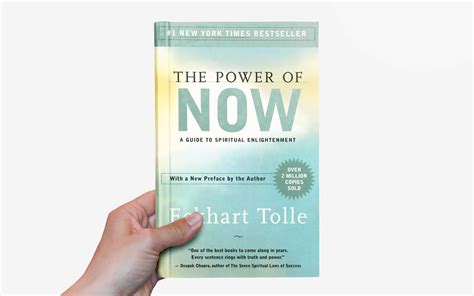
When I was a child I never worried about the past or the future. I always found the present moment a happy and peaceful place to be. My parents were good at creating and maintaining routines that would provide the whole family with a healthy dose of serenity. We did not have to think about the past, the future, or even bad things because we had ourselves and we focused on the time we were living.
I am sure, like I found out later in life, that my parents, like everybody else, had issues, problems and worries they had to deal with, but they did a wonderful job at enjoying the important things in life taking a day at a time.
I remember very vividly when my grandmother, who lived with us, had a stroke. I was the one next to her when it happened. I was 15 at the time and asked for help when I saw her unable to walk and unable to say words clearly. It was devastating to me and the rest of the family as her condition worsened in the next few days until she passed away. And yet, in all this, we were able to put everything into perspective.
As I grew up, however, I started to experience negativity and anxiety mainly because I associated with people that were more concerned about what happened “yesterday” or what would happen “tomorrow”. The reality and enjoyment of the present moment escaped me for many years until I realized how much better it is to focus on the now.
The book “The Power of Now” by Eckhart Tolle is a great read if you wish to understand how you can free yourself from the trap of worries of the past and the future and try to enjoy the life you live.
When he was young, Tolle fell into a deep depression, but at the age of 29 he realized that things could change for him and he could live a normal life by focusing on the time he was living now. Based on his personal observation and experience, he wrote the book I am reviewing in this article which contains some very simple and obvious principles that can, however, change our life from one of personal struggles to one of meaning and more serenity, even in the face of adversity.

There are ten chapters in this book and each one of them is a principle garnered from the epiphany the author had when he was 29. When you read the book, you find many familiar concepts. It is in fact the beauty of the book. We already know these principles but we are so taken by the busy-ness of life that we do not make an effort to change our attitude and habits to make room for a better life. I truly encourage you to read this book to rediscover precious treasures that may completely change your outlook about your existence.
However, I wish to highlight three concepts in the book that truly resonated with me.
- We are not our mind – People have become slaves to their thinking, and unless you are able to stop your mind from overthinking things, then you cannot be able to live in the now. Use your brain as a tool. That is when necessary, but know when to put it down. I admit, I have done much overthinking myself. I remember when I was in university and I had a final exam coming the following Monday. I had anxiety because I was obsessed with the mark. I wanted the highest score. Negative questions and feelings of great inadequacy came to mind and I knew that If I continued to linger on those feelings, I could not do well in my exam. I remember clearly that instead of worrying about the outcome, I decided to take the weekend off and just enjoy the company of my friends. On Monday, my mind was clear and I felt relaxed so I aced the exam.
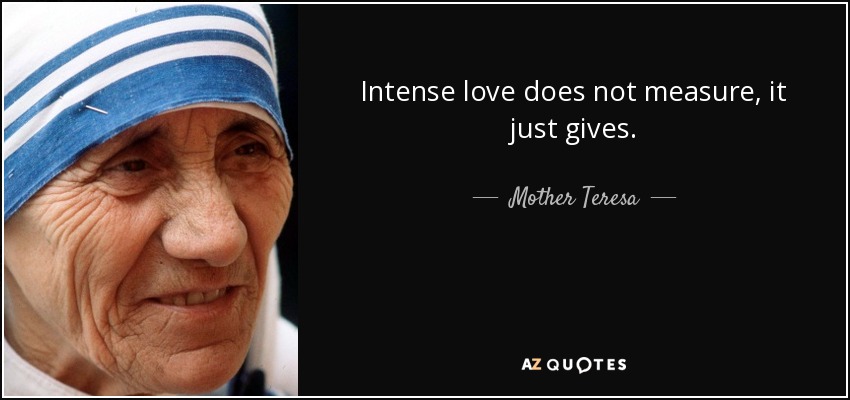
- True relationships – relationships are a significant cause of pain and resentment for many people. Tolle states that love is a continuous thing that can only be achieved by being enlightened and being in the present. True love, he states, can only arise beyond the mind, and it has no negatives. With true love, you will not be in the constant love/hate states that many people go through. I realize now, more than ever, how much unconditional love I was able to give to and received from my parents, my wife and my children. Because of this, even in the most difficult circumstances, we were able to come out of any challenge and accept any outcome. I subscribe to what Mother Teresa said once: “Intense love does not measure, it just gives.”
3. Beyond happiness and unhappiness, there’s peace – this chapter is formed on the basis that finding inner peace doesn’t depend on whether you are happy or not. Inner peace doesn’t depend on finding conditions that you deem positive. To find inner peace you have to allow things to be as they are. When you accept things as they are you will be peaceful even when you are not happy. I recently discovered this true principle thanks to some challenges I had to go through. I was able to separate the issues from the goodness of my life and decided that I would not be a slave to those challenges and circumstances. In the past, I would have been devastated at the thought of the “perceived” impact of those issues in my life. But the conscious separation I made, gave me the strength to feel good about myself and see my potential future through the lens of hope.
In my life, I have met many people struggling to find a sense of peace and contentment. Often, I was called to provide advise, counseling of some sort, and encouragement. I know that, especially in these times, many more people feel discouraged and weighted down by thoughts of inadequacy and uncertainty. By focusing on the present and making the now the best place to be in, we can reach a point in which we feel free of negative thoughts and able to move forward.
Today is now, tomorrow is another day!
adf
 ASD Innovation
Leave a comment