
I have recently finished reading a classic book on leadership titled “On Becoming a Leader” by Warren Bennis. Bennis died a few years ago after a life spent in analyzing, writing, and teaching about being leaders. In the academic field, Bennis is as revered as Peter Drucker. The book I read, was the 2008 edition. The original book was written in 1982. Much of the concepts and principles described in this book are in line with many of my thoughts on leadership and how I apply them in my personal and professional life.
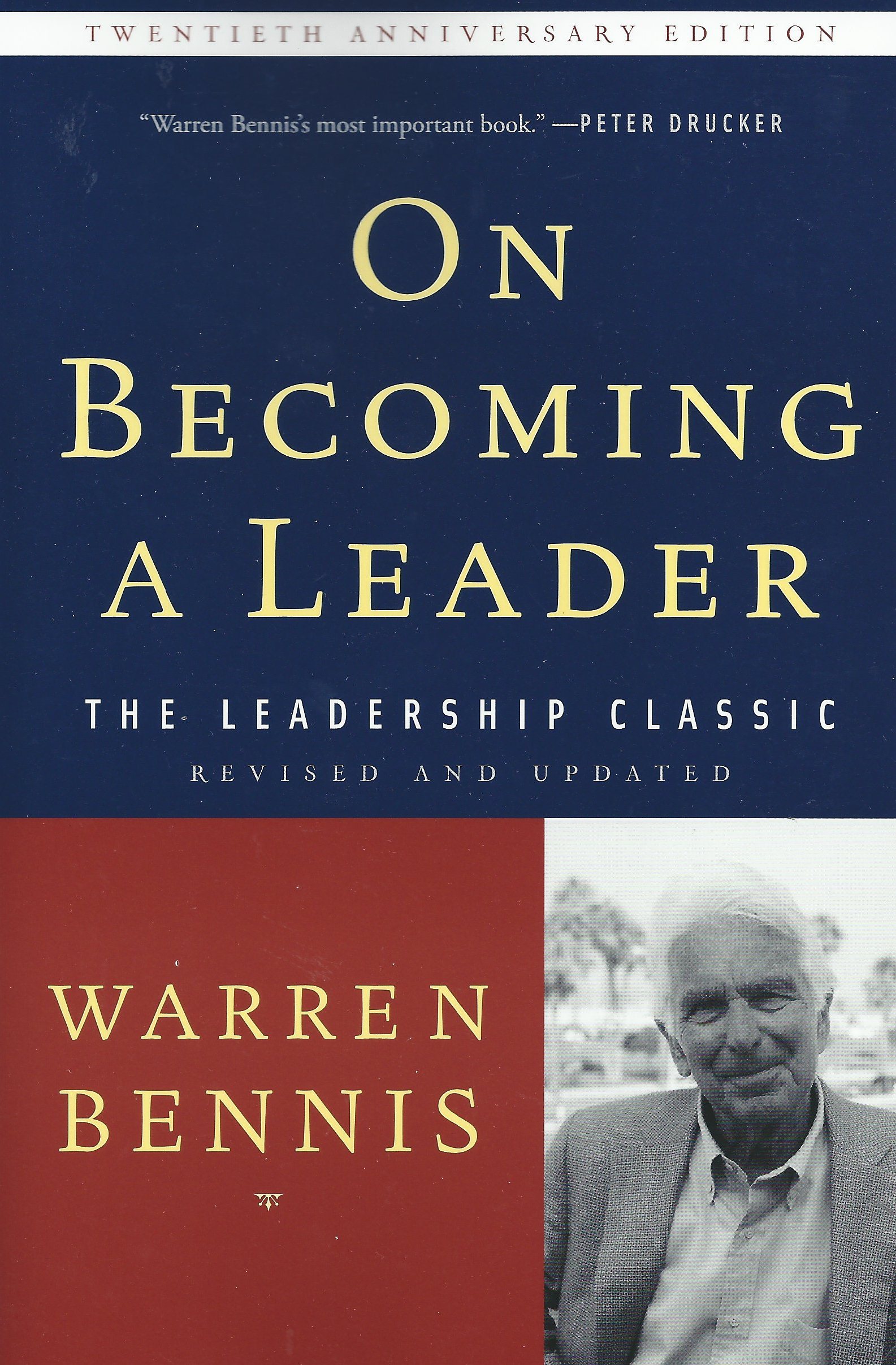
As I was taking notes on this book and after reading a talk by Dallin H. Oaks titled “Where Will It Lead?” I thought of some of the contradictions we are seeing in the world and society today that I believe we need to correct. I strongly believe that this correction path is necessary if we wish to re-establish a more positive life and society, which is even more relevant during these days of hard challenges.
One of the paramount principles taught by Warren Bennis in his book is that true leaders discover who they are at a very personal level and then become true to themselves. This requires a lot of introspection and honesty – qualities that we do not find in some leaders of today. He also stresses the fact that a leader is not a leader because of his position in an organization or the titles he or she has, but because of who he or she is and does. Strong leaders have ethical principles. They develop those principles by working on themselves and because the best results on knowing oneself are obtained through honesty.
This, and the fact that I am also a professional teacher at a university institution, has made me reflect on the question: is society responding to the need to properly preparing new leaders at a personal and general level? What are we doing to contribute to the concept that true leadership does not entail position or power? The leader who is true to his or her own values is the one who exercises ethical influence over the so-called follower without exercising unjust authority.
Dallin H. Oaks came to the rescue in the talk I mentioned before and I wish to share four points he makes on four concerning trends that, I believe, strongly reflect the quality of future leaders at all levels of society. These four trends, I argue as Oaks does, need to be changed.
First, currently, like Oaks, I see an overemphasis on rights and underemphasis on responsibilities. I think this is creating a culture of selfishness, conflict, and polarization. Today, we assist to a prevalent “this is my right” mentality versus “this is none of your business” mentality. I am not naïve enough that we all should be boy-scouts, but this mentality of entitlement is destroying the soul of sociality and solidarity that is at the base of human nature. We cannot progress individually but only through interaction with others. The more we decide to exercise our own rights without heeding also to our responsibilities towards our family, friends, and community, the more we alienate the world around us and foster conflict. Cooperation is the way.

Second is the matter of diminished readership of newspapers and books. There is a steep decline in people reading newspapers and books. I am trying to read the news everyday – not just the actual chronicles but also opinions from various observers. And I am also trying to read a book every week. Why? Dallin H. Oaks answered this question as follows, “More and more people are not reading the news of the world around them or about the important issues of the day. They apparently rely on what others tell them or on the sound bites of television news, where even the most significant subjects rarely get more than 60 seconds. Where will this lead? It is leading us to a less concerned, less thoughtful, and less informed citizenry, and that results in less responsive
and less responsible government.” As we face a concerning overabundance of fake news and information, literacy – good old, traditional literacy – is the answer. We need to reverse this tendency.
A third concern is with what is being taught or not being taught in the schools that shapes the thinking and values of those who will be our future leaders. In my time, the school was a place of good knowledge and a life gymnasium where good values were taught and fostered. What I see today in school is a competition to teach contrasting ideas and not balanced knowledge, focus on ideals of blandness but not good behaviour. If this does not change, how will our future leaders that are all taught in this school system perform, propose, and behave? Something needs to be done.
And finally, I have a concern with the destruction of trust in public officials. I see this in my day-to-day interaction with the public and the systematic campaign to belittle public servants who are doing their job. This has become a new game in order to justify personal agendas and political ambitions. Policies, today, are more the product of the behaviour I described in my first concern than the public discourse. And part of the game is to cast a shade of distrust on those who are working to bring good policy forward.
So, what do we do? How can we change all this? First, I do believe we can change all this but it takes individual, personal courage. We need to be leaders and not sheepish followers. As Warren Bennis highlighted in his book, we need to have the courage to transform ourselves and make our voice known. And second, we need to help those we love and work with to do the same.
The world truly changes a person at a time.
 ASD Innovation
Leave a comment