
Every year a municipality must approve a budget. It’s the law! Many don’t know that the Canadian Constitution recognizes only two levels of government: federal and provincial. Local government was placed under the jurisdiction of the provincial government. Why is this so important in our discussion? Well, for one, all the laws to regulate the governance of municipalities are established by the province (so much for the principle of autonomy). Second, our laws in BC are still very prescriptive when it comes to financial accountability (and rightly so). In BC municipal budgets:
Must be linked to a 5-Year Financial Plan which needs to be formally approved by Council through a Bylaw;
Must always be balanced – which means that the difference between revenue and expenses must be net zero dollars (municipalities cannot carry a deficit); and
Must be associated to specific goals and objectives that are reported yearly in June through the Annual Report; and
With all this in mind, let’s go a little deeper into the Lake Country 2020 budget.
WHERE IT ALL STARTS
At the beginning of every term Council establishes Strategic Priorities that are reviewed quarterly and provide budget direction.
Some of the priorities are established in plans created in various areas of infrastructure and services. For instance, Lake Country has a Water Master Plan, Transportation Master Plan (known as “Transportation for Tomorrow”), Parks & Recreation Master Plan, and others. All these plans have funding strategy components that assist with the formation of the budget and establish revenue sources to cover the costs. These plans define the levels of service that the community requires, which, in conjunction with population and infrastructure growth, also establish the amount of resources and staff needed to carry on with the day-to-day operations.
The Lake Country website (www.lakecountry.bc.ca) is an excellent resource to help individuals better understand the budget and budgeting process. I would be pleased if you took the time to review the documents and information to keep yourself well-informed. There is so much to know about the budgeting process that a few short articles like this would not be sufficient to explain it entirely.
GROWTH AND COST FACTORS
Two main considerations when staff and Council look at providing a budget that maintains a desirable level of service for the whole community are:
1) the tremendous growth in construction and population that Lake Country has experienced (and continues to experience) over the last 10 years – especially since 2014; and
2) the continuous increase in cost of goods and services that we face at the municipal level (no different to when we buy groceries or other household items.)
Lake Country growth in population and construction brings some “new money” into the municipal coffers but it also comes with maintenance costs that needs to be addressed long term. It is often defined as the cost of development.

Cost of living increase fluctuates every year. Recently the increase has not been lower than 2%. In order to keep up, Lake Country must recover the increasing costs that affect all services. Some think that a 0% tax increase may be a way to keep taxes and services stable, but this is not the case. A 0% tax increase in 2020, would result in a -2.5% net revenue loss. Lake Country would lose money because contractors and other service providers are increasing what they are charging. Lake Country would not be able to keep up — resulting in a deficit. The only way to counteract such a philosophy is to cut services which creates another set of problems altogether. Remember what was mentioned in the first article: residents in Lake Country do not want their services cut.
PRESSURE POINTS
As a result of continued growth there are other issues that Lake Country needs to address. First and foremost is an increase to address property protection and individual safety. Last year taxpayers approved a loan to build a new firehall which will begin construction this year for completion in 2021. Lake Country Fire Department is among the best in Canada, but it is almost entirely served by volunteers (we define them as paid-on-call and you can appreciate the difference). These great men and women are not full-time firefighters; and at some point, community growth, which we believe will continue, will require career (full-time) firefighters. Although we are not anticipating incurring the cost for a few years, Lake Country needs to start planning for these types of increases to provide adequate services to the community.
The other side of the coin in protecting the community is policing. The police complement in Lake Country is insufficient; and the community has asked for more police officers to provide 24/7 service -which Lake Country currently does not have. This means that another 5 police officers are needed. Council approved a request for additional officers and a request has been submitted to the RCMP E-Division.
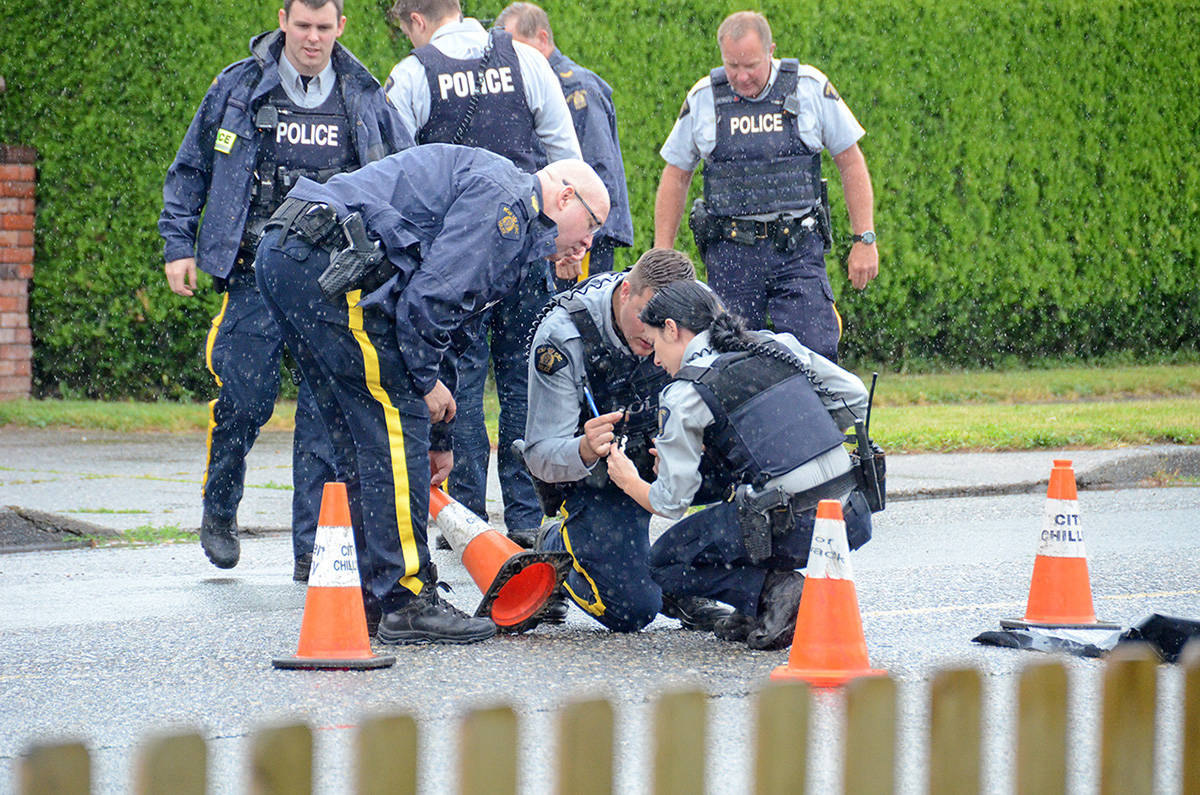
As Lake Country’s population is still slightly under 15,000, we are required to pay “only” 70% of policing costs. Once the population reaches 15,001 the community will be required to pay 90% of policing costs. The financial implications of this change will be another challenge for all taxpayers.
In terms of numbers, 5 police officers will cost (at 70%), approximately $650,000 which is the equivalent of a 5.5% tax increase. In addition, Lake Country policing facility will need to be upgraded to accommodate more officers, which is another cost (to be determined through a design review).
So, in order to acquire additional RCMP officers, budgeting is required for 2.5 officers in 2020 and 2.5 in 2021. It takes up to two years for the RCMP to fill these requests for additional resources. In addition, there is a budget request to put towards plans for the police building upgrades.
ANOTHER STEP IN THIS YEAR’S BUDGET
Another article needs to be written as there is more to be said and learn about Lake Country’s budget and budgeting process. We have not explained the numbers making up the 2020 budget yet but in this article we have highlighted some important key points:
There is a mandated structure to the budget that is required by law;
Lake Country follows the legal structure and appropriate mechanisms to establish levels of service, projects and other budgetary needs for the community;
Growth and the cost of living are big factors to consider in keeping levels of service where the community wants them to be. 0% tax increase would equate to a cut in services. The 2020 budget requires a 2.5% increase to cover the cost of goods and services increases; and
Policing is a major pressure point for the operational budget. Property taxes must address it now and into the future. In the coming years adding career fire-fighters will be another priority for the community.
adf
 ASD Innovation
Leave a comment