
This is the time of the year that we discuss budget needs for our local government services. We hear of numbers and services and we hear confusion about what all this means. The confusion results in frustration with what to expect when the tax bill arrives in May.
Well, let’s try to explain some basic things that may help all of us to have a better understanding of what a municipal budget means in terms of impact to individual property owners and the community. It may take two or three of these articles, but we will try nonetheless.

THE BIG PICTURE
We pay taxes in many ways, but there are three levels of government to which we pay the total of our taxes. They are the federal, provincial, and local governments.
All these governments have different responsibilities, but the source of their revenue is the same: the taxpayer. We are all taxpayers, whether we own a property or not. We pay taxes on our salaries, income, purchases, land and home property and on a few other things. The reality is that “the taxpayer” pays for all taxes.
We think it is important to know because it is also important that we understand the value of the money that we, the taxpayers, pay to each one of the governments.
If you paid $100 in taxes, this is where the money goes:
$50 go to the Federal Government;
$42 go to the Provincial Government; and
$8 go to your municipality (Local Government).
The gap between the two higher levels of government and municipalities wasn’t that wide a few decades ago, but this gap has crept up over the years and has created some major challenges for local governments dealing with the day-to-day provision of services such as roads and transportation, water, sewer, parks and recreation, policing and fire protection, and a few other things.
To add insult to injury, while municipalities are legally mandated to balance their budget, (which means they are not allowed a deficit) the other two levels of government can run a deficit with no consequences. As a matter of fact, both federal and provincial governments are currently carrying a deficit despite the big portion of taxes they get from us, the taxpayers.
NOT ALL MUNICIPALITIES ARE CREATED EQUAL
Another issue that is overlooked is the fact that the value of money for municipalities differs according to size (by population) and property assessment total. Some municipalities have more means than others because they have more taxpayers and more properties. Some properties are “more valuable” than others.
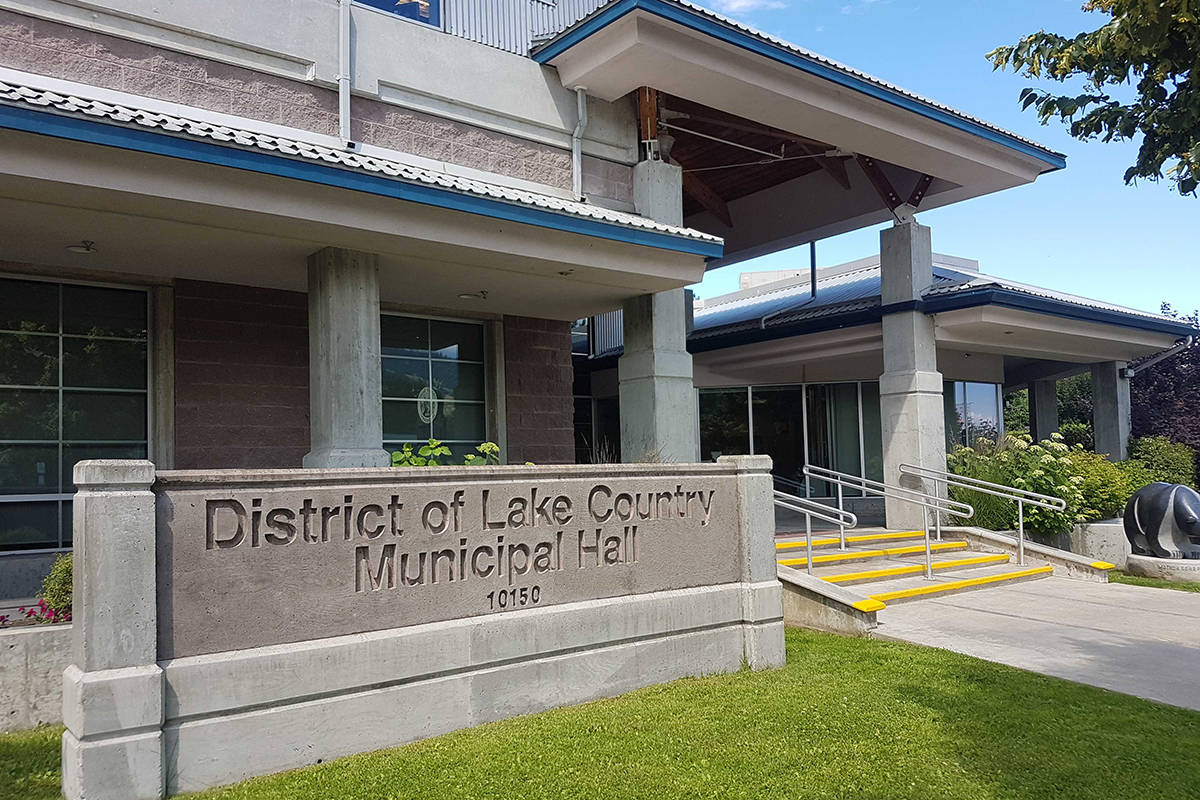
For instance, Kelowna’s population is around 125,000 and the city budget is between $150 and $200 million. When they raise property taxes y 1%, they collect more than $1 million. In Lake Country, a 1% tax increase equates to only $135,000. The costs of goods and services are the same for both. A contractor will not charge only 10% of what they would charge to Kelowna just because the job is in Lake Country. For instance, the cost of a police officer is around $140,000. Lake Country would have to increase their taxes a whopping 1% to get one new officer when, with the same increase, Kelowna could get 10 officers.
It’s all a matter of perspective.
JUGGLING RESOURCES AND SERVICES
A lot of people have moved to Lake Country in the last ten years. The population has grown from about 10,000 to about 15,000. If the rate of growth continues the way it has been in the last five years, the population will double in the next twenty years. We are blessed with a rural setting, great farming, natural amenities and the proximity to important services such as an international airport and a world class university. People are just attracted to Lake Country.
Obviously, there are a number of limitations to growth in Lake Country, but the reality is that many newcomers expect city level services and enjoy a rural quality of life at the same time. This combination is expensive. Roads are an example of this. There are 200 kms of roads of different degree of conditions in Lake Country and residents expect the roads to be kept at a decent level of viability at all times. Without entering into too much detail (maybe the subject of a different article altogether), it goes without saying that we have a geographic challenge to serve the quantity of roads we have within our boundaries and within our means. The same can be said for other services such as water and sewer.
In addition, cost of labour and material continues to increase faster and steeper than the normal cost of living that regulates salaries and other sources of income that taxpayers get. Just to keep up with the current level of services the municipality provides, we have to raise taxes. We hear constantly that not many want their services cut in Lake Country.
OUR CONTINUOUS STRUGGLE
In the next couple of articles we will go deeper into the proposed budget for the District of Lake Country, but as you go forward with your desire to understand, please keep in mind what we just outlined in this one:
a) that municipalities are at a net disadvantage with other levels of government,
b) Lake Country has limited financial resources, and
c) the Lake Country residents wish to keep their right to the wonderful lifestyle that our beautiful community has to offer.
adf
Back to Search


 ASD Innovation
Leave a comment