
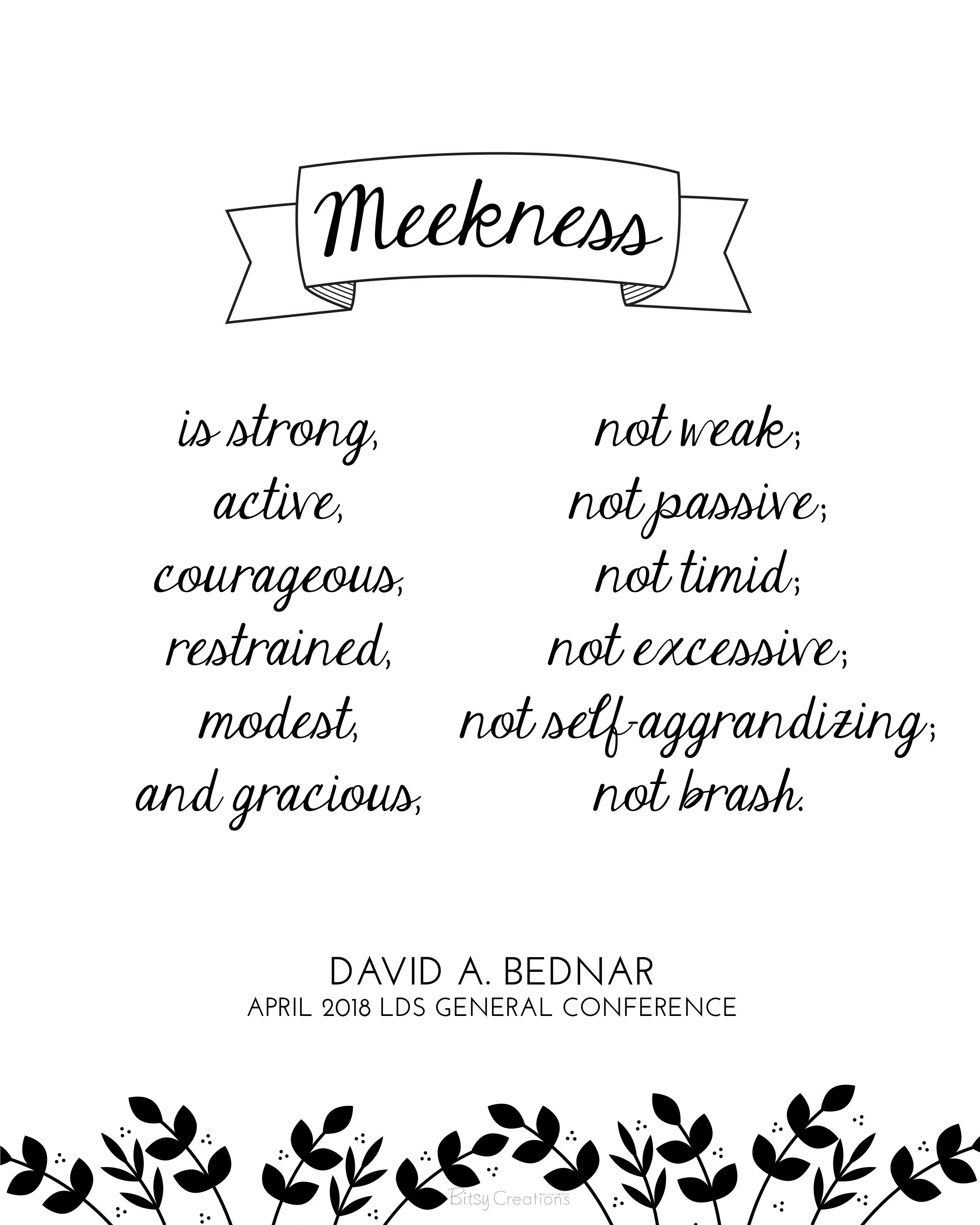
In my continuous effort to help myself and others to understand and practice ethical leadership in all facets of life, I came across a talk by Dr. David A. Bednar on the principle of meekness (David A. Bednar – “Walk in the Meekness of My Spirit” ). It was a very instructive talk. Perhaps readers may find the word meekness unfit to a business environment. I believe, on the contrary, that this is one critical principle that many leaders lack because it is very much misunderstood.
The word meekness indicates the quality of being teachable, patient in suffering, and willing to accept being wrong. A meek person is not easily provoked or irritated, pretentious, arrogant, or overbearing.
In my experience, I have seldom seen a “meek” leader. In fact, I have met people, and many of them, who believe that leadership can only be exercised with no signs of emotional attachment and very little room for admitting error or being wrong. When was the last time you heard a sincere apology from a leader unless forced to do so?
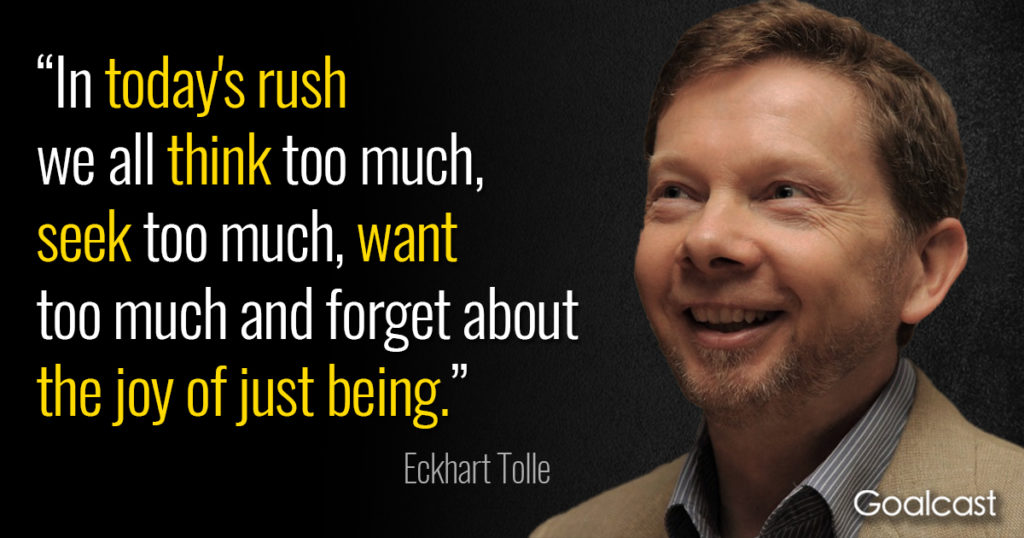
The notion of exhibiting self-confidence to the point of thinking that admitting a mistake is a weakness is very much embedded in western culture while it is much less prevalent in oriental thinking and philosophies. In his book “A New Earth”, author Eckhart Tolle makes a point that the earth today is in need of a critical shift from the outward ostentation of ephemeral expectations, such as the “power of ownership” of things for example, to an inward evolution of being true to self: the only way, for him, to avoid conflict and bring more enduring peace to the world (Eckhart Tolle – “A New Earth: Awakening to Your Life’s Purpose” – Plume Printing, 2006).
Dr. Bednar is now dedicating his life to spiritual Christian endeavours. However, although his talk is focused on spiritual principles to be shared with a religious audience, the underlying leadership concepts are very applicable – and they should be – to any organizational and personal setting.
One story he told stuck with me. Without the religious connotations, let me briefly share it with you to make my point. Dr. Bednar, at the time, was the President of Ricks College in Idaho and had been charged to take the college to a full university status. Ricks College eventually became Brigham Young University Idaho. At a critical moment of the implementation of the already approved plans for the college to become a university, Dr. Bednar met with Henry B. Eyring who was the Chair of the Education Executive Committee in charge of all approvals. Dr. Eyring was also a scholar and had been President of Brigham Young University. A couple of decades his elder, Dr. Eyring had disagreed with some of the plans presented by Dr. Bednar. Although the two of them tried to come to an agreement and an understanding, after three days, they could not do so. Finally, the morning he was leaving, Dr. Eyring felt to tell Dr. Bednar that his original plans were right and that he would have his full support. Dr. Eyring had the authority, power and experience, in fact even the expertise, to say: “Dr. Bednar, we will do as I say because I know better,” but he didn’t. Instead, he showed “meek leadership” – not just mere humility – and conceded to Dr. Bednar because it was the right thing to do, not so much for Dr. Bednar but for the good of the organization and the greater vision.
I wish I could say that leadership is today more in sync with principles of fairness and greater good but it is not so. The reality is that it all starts from us. I wish and hope that we can all see it one day. In fact, I wish we could all see it sooner rather than later. In the meantime, we need to stand for what we believe is the right thing to do and not fear. Because if we lose hope, we will lose everything.
And I know we are better than that.
 ASD Innovation
Leave a comment