
In the years I have been active professionally (and I still am), I have always seen success as a form of achievement. After all, we are used to measuring success based on reaching goals that are tangible and, for many, visible as well. However, I have also seen many achievers being truly unhappy about their lives and, in some cases, messing their life up badly. The recent suicides of very accomplished and famous people is a reminder to me that success is not happiness.
In his important work as a clinical psychologist to many celebrities in many different fields, Dr. Steven Berglas outlines the state of burnout, unhappiness, and depression of many achievers and overachievers. In his book “Reclaiming the Fire” he describes the common thread of spiraling behavior which makes individuals seek success for the sake of overcoming their lack of satisfaction in life. His book was written almost 20 years ago. Things have not changed and in fact, they have worsened also because of the sense of instant gratification, or lack thereof, introduced by technology and social media.
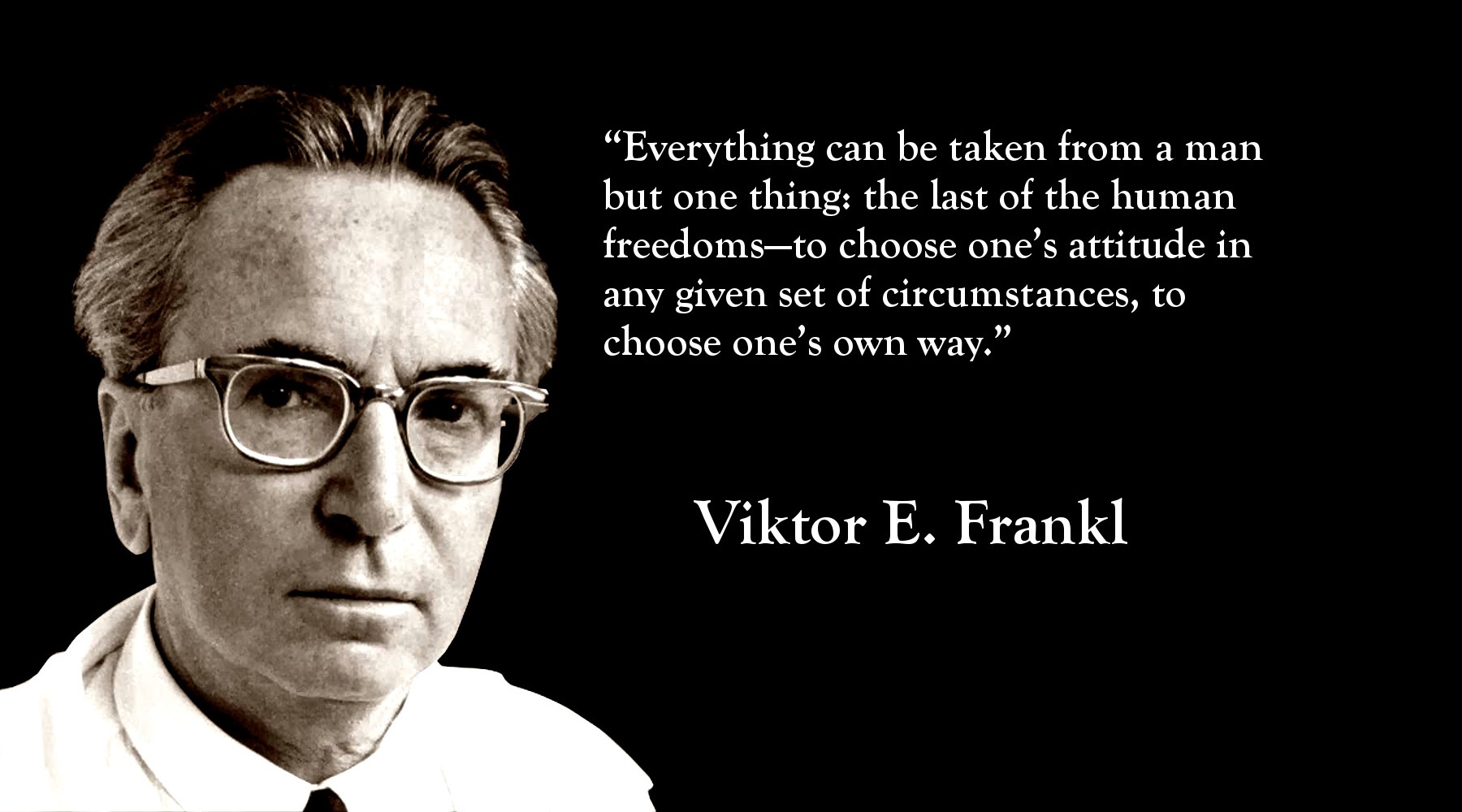
In his masterpiece “Man’s Search for Meaning”, Dr. Viktor Frankl, a Jewish psychiatrist who was held in a Nazi concentration camp for a few years during World War II and suffered many atrocities at the hands of his captors, tells us the other side of the story: “Everything can be taken from a man but one thing: the last of human freedoms – to choose one’s attitude in any given set of circumstances, to choose one’s own way.” In his book, he tells us that those who survived the concentration camp’s atrocities were those who had an inner sense of purpose in life, something or someone they were hanging on to. In the case of Dr. Frankl, it was the thought for his wife, their deep love for each other, and the hope to be reunited one day, which eventually happened.
When I consider all this and look back at my experience in life and professionally, having suffered burnout myself, I found I was able to “survive” because of my principles, life purpose, and search for an inner success rather than an outer one. Having been through trials and tribulations in my life, I can only say that paying attention when we feel unhappy with the status quo, even a successful one, can only help us realign ourselves and gain more hope in the process. When we feel that way, we need to turn to our inner self and take the time to take care of what truly matters most: a sense of peace and stability in life, which is the only true happy space that lasts and, in effects, counts.
In my case, I turn to writing as an opportunity for discovery and renewal. I also reflect deeply on my interests and passions to regain that personal spark that sometimes becomes suffused and dimmed through the busy-ness of life.
Another thing that truly helps me is keeping a journal and read it regularly to find those checks and balances that have been part of my life, and flavour the meaningful accomplishments in my life, such as welcoming back home my son after a two-year mission in Italy, or celebrating my daughter’s high school graduation and the fruits of her hard work. This also gives me an opportunity to see how I was able to overcome my challenges and discover my personal patterns of personal peace.
Finally, I also find that giving to others and serving in my community or volunteering in some organizations with a deeper meaning or service purpose keeps me grounded to a reality that is harsh and tough, but also very satisfying if seen with the right mind and heart.
 Next time you feel down, think of the following words by Lao Tze, the father of Taoism:
The supreme good is like water,
Which nourishes all things without trying to.
It is content with the low places that people disdain.
In thinking, keep it simple
In conflict, be fair and generous.
In governing, don’t try to control.
In work, do what you enjoy.
In family life, be completely present.
When you are content to be simply yourself
And don’t compare or compete,
Everybody will respect you.
(Tao Te Ching)


 ASD Innovation
Leave a comment